
24.2% of Queens Homes Sold Above Asking as NYC Buyer Competition Remains

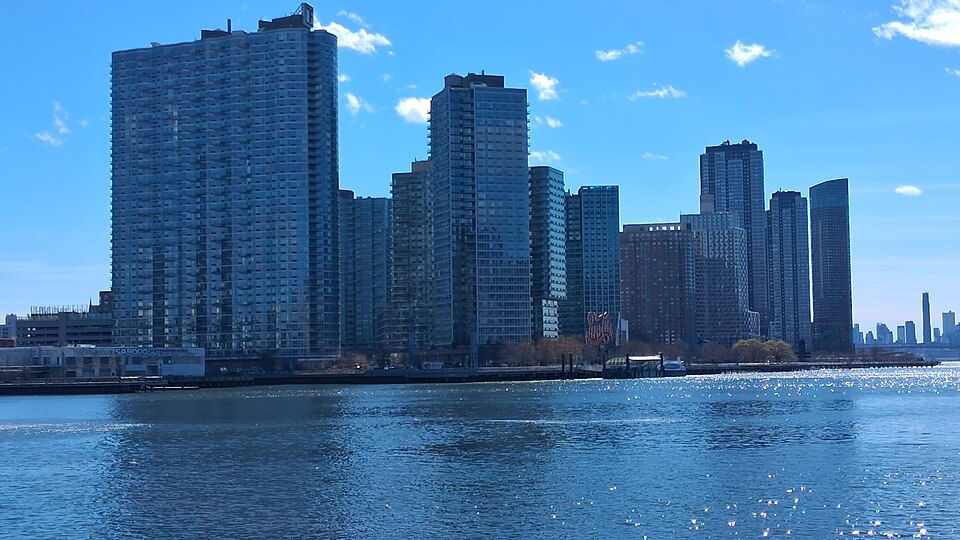
New York City’s residential sales market continued to show meaningful buyer competition in August.
According to StreetEasy’s August 2026 NYC housing market report, 21.8% of homes across New York City sold above their most recent asking price, up from 20.5% a year earlier. Queens recorded an even higher share at 24.2%, while Brooklyn reached 31.9%.
This sales-side activity also complements another Queens housing signal ARCFE recently tracked: Queens’ multifamily vacancy rate fell to 2.08% in the second quarter of 2026.
While rental and for-sale housing are different markets, together the data provide useful evidence that real residential demand remains active across the borough.
The market is not uniformly strong. StreetEasy reported that 1,666 homes entered contract citywide in August, down 5.4% year over year. That suggests buyers are becoming more selective rather than competing equally for every property.
What Queens Homes Selling Above Asking Tell Us About Buyer Demand
The important signal is not simply that some homes sold for more than their asking price.
“Above asking” refers to the latest listing price and therefore should not be treated as evidence that a property appreciated by the same amount. What it does show is actual buyer behavior: when location, product quality and pricing align with demand, multiple buyers can still compete for the same New York home.
That distinction is particularly relevant in Queens, where ARCFE follows residential markets including Flushing through ARCFE Group 17 and Long Island City through ARCFE Group 22.
ARCFE has also discussed in Why Location & Market Demand Matter in an EB-5 Investment why a residential project should be evaluated not only by what is being built, but by whether the surrounding market has enough buyers or renters to absorb the finished product.
EB-5 Investor Insight
For EB-5 investors, this is where sales-market data become useful.
A residential development eventually needs real buyers. A market where buyers are still competing for well-positioned inventory provides a stronger demand backdrop than one where properties struggle to attract offers.
At the same time, the decline in August contract activity reinforces an equally important point: buyer demand exists, but it is selective. Location, comparable supply, product positioning and pricing remain critical.
ARCFE View
For ARCFE, the value of this data is that it reflects actual transactions rather than future projections.
With nearly 20 years of New York real estate lending experience through iCross Capital, we pay close attention to whether housing markets have real buyer depth and sufficient transaction activity to support future residential inventory.
Queens-wide statistics cannot predict the performance of any individual property. But when meaningful buyer competition continues to appear in a market where new residential development is also moving forward, it provides an important piece of the broader market picture.
For future residential projects, that depth of demand is one of the fundamentals worth understanding before the building reaches the market.
Related ARCFE Resources
Review important travel, residency, tax and immigration considerations after receiving a conditional green card.
Understand how senior debt, mezzanine financing and equity differ in repayment priority and risk exposure.
Learn why financing, market demand, project execution and repayment planning should be evaluated together.
Interested in New York Real Estate-Backed EB-5 Opportunities?
Discover Skyline Tower II, ARCFE’s current EB-5 project in Long Island City, Queens.
Complete the form and our team will follow up to discuss your EB-5 planning and current project options.
Sources
Disclaimer: Articles published under the "News" category are curated from third-party media sources for informational purposes only. ARCFE does not claim ownership of the original content, nor does it guarantee the accuracy, completeness, or timeliness of the information presented. The views and opinions expressed in these articles are those of the original authors and do not necessarily reflect the position of ARCFE. Nothing contained herein constitutes investment, legal, or tax advice. Readers are encouraged to consult with qualified professionals before making any investment decisions.


