
Queens Apartment Vacancy Rate Falls to 2.08% as Rental Market Stays Tight

Updated: 3 days ago
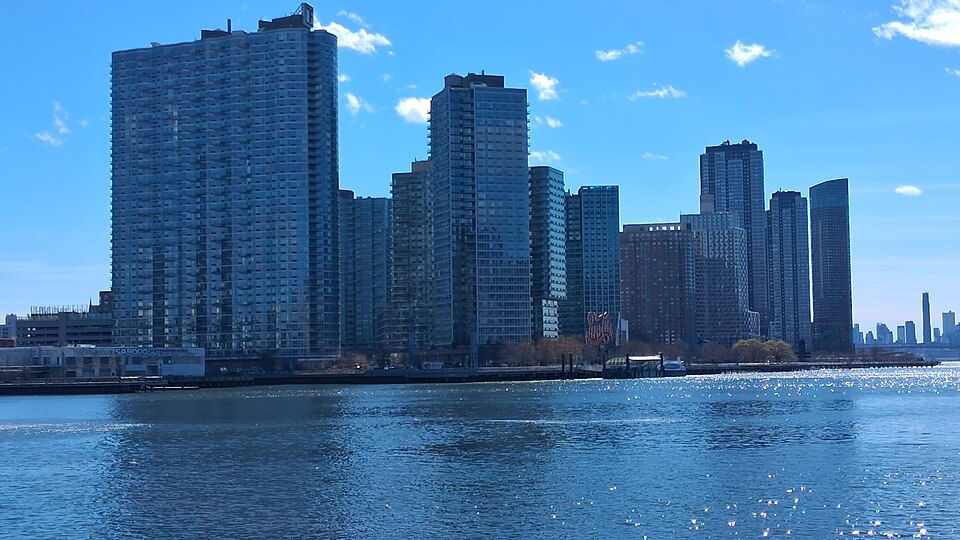
Photo: Kidfly182 / Wikimedia Commons, CC BY 4.0. Cropped by ARCFE.
Queens’ multifamily rental market remained tight in the second quarter of 2026, with the borough-wide vacancy rate falling to 2.08%, down from 2.39% a year earlier, according to CoStar data reported by Commercial Observer.
The stabilized vacancy rate fell even further to a record-low 1.3%, while the number of apartments under construction declined to just 2,597 units. That pipeline is down roughly 76% from 10,881 units in early 2024 and is the shallowest Queens has seen in at least a decade.
The combination helps explain why available apartments remain limited. New supply has slowed significantly, while underlying rental demand has continued to absorb existing housing.
Long Island City is also part of the next supply story. Following approval of the OneLIC Neighborhood Plan, new residential development is expected to gradually return to the pipeline. The plan creates capacity for nearly 15,000 additional homes over time, alongside major community and infrastructure investment.
Why the Queens Apartment Vacancy Rate Matters for New York Real Estate
For residential real estate, vacancy provides one of the clearest measures of whether housing is actually being used.
A 2.08% vacancy rate means relatively little rental inventory is sitting empty across Queens. While part of the tightening reflects reduced new construction, it also shows that existing housing continues to find residents.
For developers and real estate investors, that matters because new projects ultimately need a market capable of absorbing additional housing. A market with deep existing residential demand provides a stronger starting point for future leasing and sales than one struggling with persistent excess inventory.
EB-5 Investor Insight
For EB-5 investors, the useful signal here is not simply that vacancy is low. It is that Queens continues to demonstrate real, measurable housing demand.
When a residential project reaches completion, its ability to attract renters or buyers ultimately depends on the strength of the surrounding market. Rental vacancy cannot predict condominium sales or guarantee the performance of any individual development, but a tight housing market provides positive evidence that people continue to choose Queens as a place to live.
ARCFE View
For ARCFE, this is the kind of market data that matters when evaluating New York residential real estate.
Renderings and future projections can describe what a project intends to become. Vacancy data show what residents are actually doing today. In Queens, existing apartments remain highly occupied even as the development pipeline has temporarily contracted.
That is an encouraging underlying signal for a borough where ARCFE continues to follow residential development closely, including ARCFE Group 17 in Flushing and ARCFE Group 21 in Long Island City.
Related ARCFE Resources
Review important travel, residency, tax and immigration considerations after receiving a conditional green card.
Understand how senior debt, mezzanine financing and equity differ in repayment priority and risk exposure.
Learn why financing, market demand, project execution and repayment planning should be evaluated together.
Interested in New York Real Estate-Backed EB-5 Opportunities?
Discover Skyline Tower II, ARCFE’s current EB-5 project in Long Island City, Queens.
Complete the form and our team will follow up to discuss your EB-5 planning and current project options.
Sources
Disclaimer: Articles published under the "News" category are curated from third-party media sources for informational purposes only. ARCFE does not claim ownership of the original content, nor does it guarantee the accuracy, completeness, or timeliness of the information presented. The views and opinions expressed in these articles are those of the original authors and do not necessarily reflect the position of ARCFE. Nothing contained herein constitutes investment, legal, or tax advice. Readers are encouraged to consult with qualified professionals before making any investment decisions.


